Animal Daycare Co-op Roles
Assign attention on purpose — inspector, caregiver, cameras, and night watch.
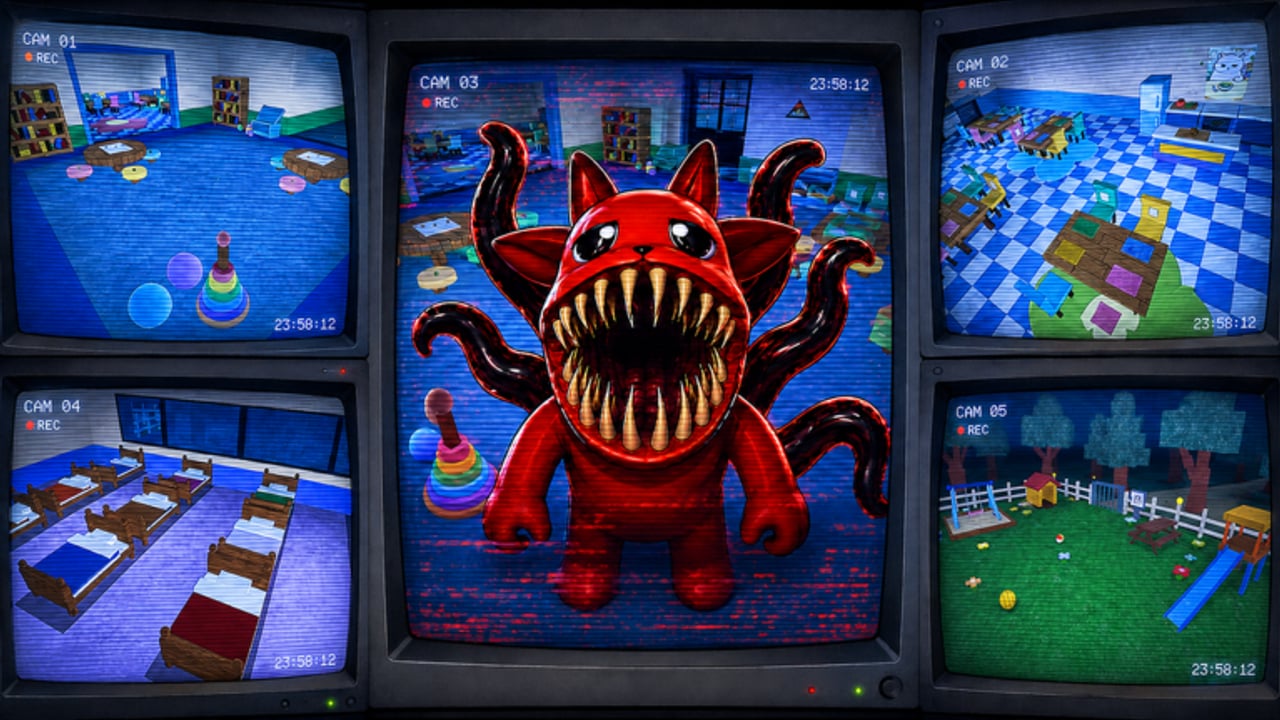
Animal Daycare (Anomaly) shines in online co-op, but unassigned lobbies still fail. This page turns the Tier List Hub approaches into concrete roles for duos, trios, and messy public servers up to 25 players.
Role cards
Door Inspector
Job: run the inspection order, delay ambiguous guests, reject confidently, never rubber-stamp queues.
Reads: How to Spot Impostors, Impostor Checklist, Controls.
Fails when: chatting mid-inspect, trusting peer pressure, leaving the desk with nobody covering.
Caregiver
Job: feeding, calming, mini-game triage on a route so meters stay green.
Reads: How to Care for Children.
Fails when: everyone stacks on one prompt, or caregiver abandons kids to sightseeing.
Camera Specialist
Job: timed sweeps, location callouts, second opinions for the door.
Reads: impostor guide + camera section of Controls.
Fails when: never exiting cameras, or sweeping without calling.
Night Watch lead
Job: start pre-night checklist early, enforce door lockdown, keep callouts short during events.
Reads: How to Survive Night.
Fails when: speeches instead of HOLD/CAM/CARE, or hero splits into the dark.
Floater
Job: reinforce whichever meter is worse — backlog at door vs backlog in care.
Fails when: floating becomes rolelessness and nobody owns anything.
Duo templates
Template A: Inspector + Caregiver. Share camera pulses. Night Watch overlay on inspector.
Template B: Camera-leaning inspector + Caregiver who also pulses cams between loops.
Duos should read Co-op Tips for callout culture.
Trio templates
Classic trio: Inspector / Caregiver / Camera Specialist. Night Watch lead = Camera or Inspector by agreement.
Learning trio: rotate roles each night so everyone understands workloads. Empathy reduces flame wars.
Public lobby (many players)
You cannot assign 25 unique jobs. Instead publish norms:
- Nobody admits alone if a second player is free to confirm.
- Caregivers get priority on contested care interactables.
- One or two people announce they are on cams.
- During night: no admits without CLEAR from an inspector-type player.
If norms fail, play the understaffed role yourself (usually cameras or care) or requeue.
Handoff protocols
Roles need handoffs:
- Inspector leaving desk says DESK OPEN only when a named teammate arrives.
- Caregiver taking a break calls CARE HOLE so a floater plugs it.
- Camera specialist swapping out announces last suspicious target.
Silent swaps create double gaps.
Scoring a co-op session
After a run, ask:
- Which role was empty?
- Which role was overstaffed?
- Did night prep start early enough?
- Did callouts stay short?
Adjust the next queue using Players Hub mindset notes.
Anti-synergy warning
Three inspectors and zero caregivers looks productive on the door and still wipes. Two camera campers with nobody on kids is the same failure in a different costume. Balance beats prestige.
Scripts and “role bots”
There is no safe recommended bot that plays Caregiver for you. Treat automation pitches as account risk — Scripts Hub. Skill assignment beats cheats.
Codes do not assign roles
Even if codes appear later (Codes Hub), they will not replace role discipline. Do not stall parties waiting on redeem FOMO.
Shift timeline for a disciplined trio
Minutes 0–5: Scout and lock roles. Nobody admits during scouting. Minutes 5–25: Inspector runs desk with DELAY bias; Caregiver loops interior; Camera Specialist pulses and calls. Pre-night: Night Watch lead (often camera or desk) starts lockdown checklist from How to Survive Night. Night: Short tokens only; caregiver priority absolute; no sightseeing. Morning: Care pass, camera audit, thirty-second AAR, then resume normal admits with updated tells from How to Spot Impostors.
Role conflicts and how to resolve them
If two players want desk, give desk to the calmer rejecter and move the other to cameras. If nobody wants care, the highest-rank player on the stack takes care for one night — leadership includes unglamorous work. If a floater never plugs holes, convert them to a named secondary caregiver rather than an undefined roaming spectator.
Training new players into roles
New teammates should spend one full session on a single role with a mentor shadowing. Link them Getting Started, Controls, and the Impostor Checklist. Do not rotate a brand-new player through four roles in twenty minutes; confusion creates panic admits. After they stabilize, graduate them using Co-op Tips callout drills.
Measuring role performance without toxicity
Track empties and late handoffs, not personal insults. Ask whether CARE pings were answered, whether CAM calls included locations, and whether night lockdown started early enough. Systems metrics keep stacks improving while still feeling fun. Revisit approach rankings on the Tier List Hub after patches listed on Updates.
Related pages
- Tier List Hub
- Solo Strategies — understand what teammates feel when alone
- Co-op Tips
- Guides Hub
- Updates Hub — reassess roles if systems change
Frequently Asked Questions
Quick answers to the most common questions.
What is the best duo split?
Door inspector plus caregiver, with shared camera pulses, is the most reliable starter split.
Who should lead night watch?
Pick one person in advance — usually the camera or door player — and let them enforce lockdown timing.
How do we handle 20-player chaos?
Publish simple norms in chat, staff the empty roles, and leave if the lobby refuses basic discipline.
Should we rotate roles?
Yes in learning groups. Fixed roles are fine for tryhard clears once everyone is competent.
Where can solo players compare notes?
See Solo Strategies and Solo Guide.