Getting Started in Animal Daycare
A practical first-hour plan for the daycare anomaly loop — solo or co-op.
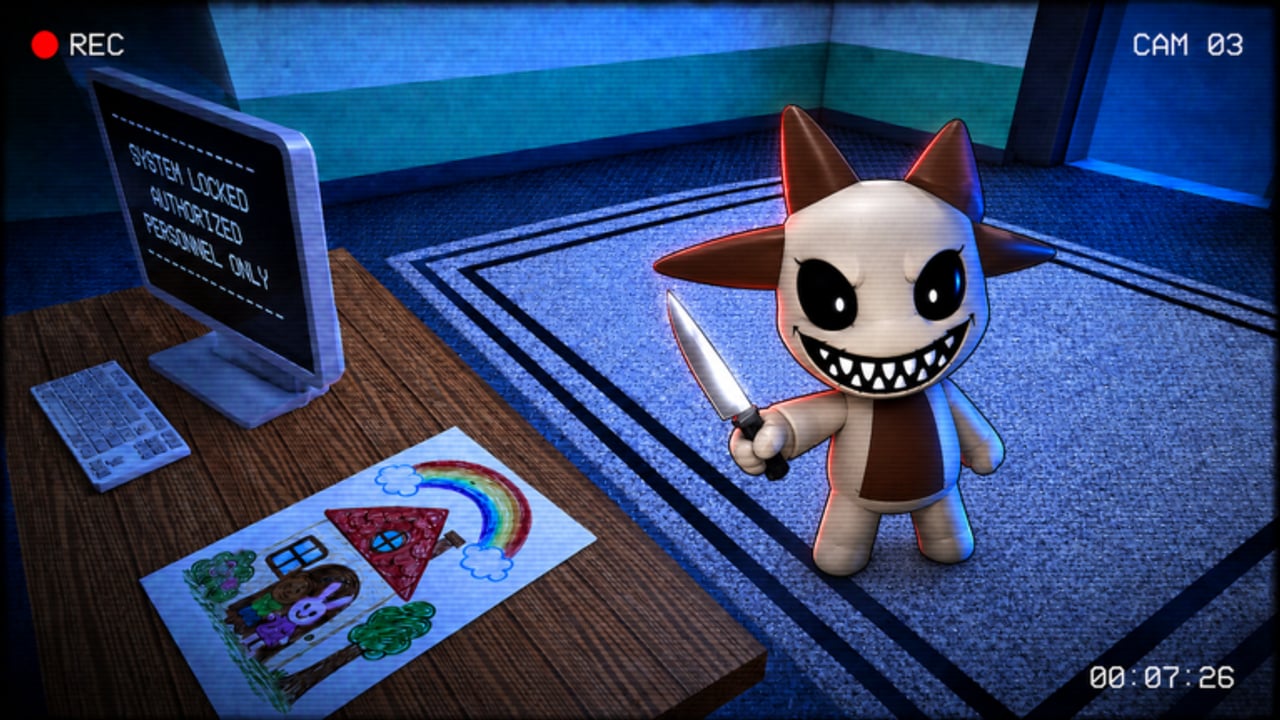
Animal Daycare (Anomaly) throws you into a friendly-looking daycare that is anything but simple. Your job is to inspect every new arrival for suspicious clues, decide who can enter, keep the children fed and calm, clear care mini-games, watch cameras for impostors, and survive mysterious nighttime events. This guide is the onboarding path for the Day Dreams Games Roblox place — free-to-play, Survival genre, up to 25 players, playable solo or in online co-op.
If you arrived from a codes search: there are no confirmed public codes yet. Read the Codes Hub later. Your first hour should be about discipline, not redeem FOMO.
What success looks like in session one
A good first session is not a perfect clear. It is:
- Learning where inspection, care, and camera tools live (Controls)
- Admitting fewer suspicious guests instead of rubber-stamping everyone
- Completing enough care tasks that children do not spiral
- Surviving at least one nighttime pressure window without abandoning the desk
- Leaving with a personal tell list you can reuse on the Impostor Checklist
Minute 0–5: lobby and orientation
- Launch from the official Roblox listing for Animal Daycare (Anomaly) by Day Dreams Games.
- Note whether you are solo or sharing a busy lobby. Co-op helps, but uncoordinated lobbies create double-admits — skim Co-op Tips if friends are joining.
- Find the inspection point / front desk fantasy and any camera monitors before the first rush.
- Do not sprint into free roam without knowing how to reject. Rejection is a core verb here.
Movement is standard Roblox; daycare-specific panels matter more. If a button is unclear, park on Controls after this page.
Minute 5–20: your first inspections
Treat every arrival as guilty until cleared, especially while you are learning tells.
Inspection routine
- Stop the guest at the checkpoint.
- Scan silhouette, face, props, and animation quirks.
- Compare against “normal parent / staff / child visitor” expectations for a daycare.
- If anything feels off, delay the admit — use cameras or a second look.
- Admit only when the package of clues looks clean enough for your risk tolerance.
Early on, false rejects are cheaper than false admits. An impostor inside the daycare snowballs into night chaos. Deep technique lives in How to Spot Impostors.
Common beginner mistakes
- Admitting because the queue is long
- Ignoring cameras after a “probably fine” gut feel
- Leaving children unattended while you argue in chat
- Assuming Animal Hospital class rules apply — they do not
Minute 20–40: care loop basics
Once guests are inside, the daycare still needs labor:
- Feed children on a steady cadence
- Calm spikes before they cascade
- Clear mini-games / interaction tasks that keep the space stable
You are not only a bouncer. Caregiver work is half the fantasy. When meters climb, triage with How to Care for Children. In co-op, assign one player to care while another owns the door — see Co-op Roles.
Minute 40–60: cameras and re-checks
Cameras exist because admits are imperfect. Build a habit:
- After every busy admit wave, sweep camera views.
- Flag anyone who behaves unlike a normal daycare visitor.
- Call outs in co-op with short callouts (“cam 2 weird ears”) instead of essays.
- Be willing to reverse a bad social decision if the game allows removal / confrontation tools.
Camera Specialist playstyles are ranked conceptually on the Tier List Hub. Solo players must timebox camera sweeps so care tasks do not die — Solo Strategies and Solo Guide.
First nighttime event
Night is where soft mistakes become hard failures. Before lights go weird:
- Finish urgent feeding / calming
- Know where you will stand (desk, camera room, safe interior)
- Agree in co-op who watches doors vs who stabilizes kids
Then follow How to Survive Night. Do not invent hero plays on night one. Survive, take notes, refine tells.
Solo vs co-op first sessions
Solo: slower admits, stricter rejects, shorter camera cycles, accept that some tasks will wait. The embedded gameplay video on this page shows a full solo lens you can pause against.
Co-op: nominate roles early. One inspector, one caregiver, one floater is enough for a trio. Random 25-player lobbies need simpler rules: “nobody admits alone if a second player is free to confirm.”
After your first hour — what to open next
- Drill tells with How to Spot Impostors
- Stabilize care with How to Care for Children
- Harden nights with How to Survive Night
- Pick an approach on the Tier List Hub
- Keep a running list on the Impostor Checklist
- Watch Updates so a patch does not surprise your routine
Skip scripts. New anomaly games rarely have trustworthy dedicated tools, and executors are account risk — Scripts Hub.
Mindset that keeps you improving
Animal Daycare rewards pattern memory more than raw speed. Write down three tells that fooled you and three that saved you. Next session, audition those tells again. That notebook beats any fake code list.
You now have the skeleton of the loop. The rest of the Guides Hub turns each joint of that skeleton into muscle.
Frequently Asked Questions
Quick answers to the most common questions.
How long is a good first Animal Daycare session?
Plan 45–60 minutes: orientation, several inspection waves, care practice, one night event, then notes for next time.
Should I play solo or with friends first?
Either works. Solo teaches full responsibility; friends help if you assign roles. See Solo Guide and Co-op Tips.
What is the biggest beginner mistake?
Over-admitting under queue pressure. False rejects are usually cheaper than letting an impostor inside.
Are there codes I should redeem before playing?
No confirmed active codes are documented. Check the Codes Hub occasionally, but do not delay learning the loop.
Is this guide for Animal Hospital?
No. It is only for Animal Daycare (Anomaly) by Day Dreams Games.