Animal Daycare Co-op Tips
Make stacks and public lobbies inspect together instead of arguing apart.
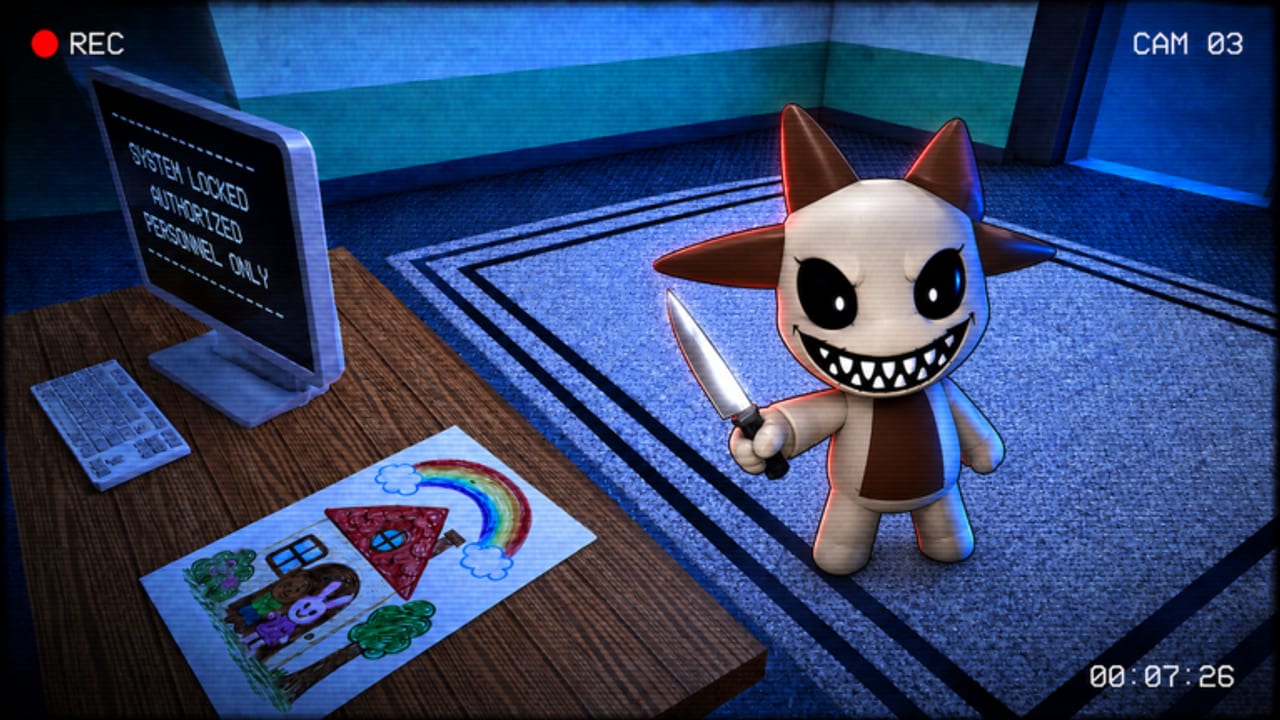
Co-op is where Animal Daycare (Anomaly) becomes a band. Without norms, it becomes a crowd. These tips focus on communication and etiquette; formal role cards live on Co-op Roles.
Pre-queue agreements (30 seconds)
Before you press play with friends:
- Who starts on desk?
- Who starts on care?
- Who owns first camera pulse?
- Who calls night lockdown?
- What is your reject bias — cautious or risky?
Unspoken assumptions create silent gaps.
Callout grammar that fits chat
Use short tokens from the impostor guide culture:
- HOLD — freeze admits
- CLEAR — safe to enter
- REJECT — send away
- CAM + location — suspicion on cameras
- CARE — interior needs bodies
- DESK OPEN / DESK TAKEN — handoff protocol
Long paragraphs during night events are how teams wipe. Details belong in How to Spot Impostors study sessions, not in the scare window.
Desk handoffs
Never leave the desk empty without a named replacement. Say the name. Wait for acknowledgment. If ping is bad, stay until they arrive physically. Double empty desks are an impostor holiday.
Caregiver priority etiquette
When a caregiver is declared:
- Do not steal their interactables for fun mini-games
- Ask before starting long interactions that block routes
- Answer CARE pings quickly even if you are “a door main”
Care science: How to Care for Children.
Camera etiquette
Camera players should:
- Announce sweeps (“cams spinning”)
- Call targets with locations
- Exit to help CARE when meters melt
- Avoid silent ten-minute camping with zero info
Public lobby leadership without being annoying
In random servers up to 25 players:
- Post two norms max
- Volunteer for the empty role
- Thank people who HOLD with you
- Ignore bait arguments
- Leave if the lobby is practice-negative
You are not the police. You are a teammate with standards.
Night agreements
At the first hint of night:
- Night lead calls lockdown timing (How to Survive Night)
- Desk bias goes ultra-cautious
- Care surplus becomes mandatory
- One person keeps cams alive
Debate strategy after morning, not during the event.
Teaching new friends
New players should get:
- Getting Started link
- One role only for the first session
- Permission to reject often
- Praise for good delays
Do not haze them with spoilers and insults. The Players Hub exists to grow the community, not gate it.
Conflict patterns to defuse
| Conflict | Defuse |
|---|---|
| “Why did you reject?” | “Borderline tell; review after” |
| Stolen care props | Restate caregiver priority |
| Two desk captains | Assign one floater to cams |
| Script flexing | Decline, link Scripts Hub, requeue if needed |
| Code spam | Point to Codes Hub honesty |
Duo/trio warmups
Spend five minutes on a silent inspect drill: only HOLD/CLEAR/REJECT tokens allowed. Then open normal chat. Muscle memory for brevity saves nights later.
After-action review (3 questions)
- Which role was empty?
- Which callout failed?
- What is the one rule for next queue?
Keep AARs blameless when possible. Systems over scapegoats.
Stack sizes and what changes
Duo: Communication must be denser. Every handoff matters. Prefer Inspector plus Caregiver with shared cams. Trio: Best teaching size. One person can specialize in cameras without starving care. Quad+ private stack: Add a floater who only plugs holes. Too many desk captains create veto chaos — still pick one final reject authority. Public 15–25: Leadership is light-touch norms, not military micromanagement. If three people already HOLD correctly, reinforce them instead of rewriting the whole lobby.
Ping, language, and accessibility
Not every teammate shares your language or voice setup. Agree on the token list in text even if you also use voice. If someone cannot hear well, lean harder on CLEAR and REJECT text. Inclusive stacks survive more nights than supposedly perfect stacks that exclude people.
Reputation inside recurring groups
If you play with the same friends weekly: rotate who leads night so one person does not burn out; keep a shared tell doc instead of arguing from memory; ban script talk during runs (Scripts Hub); celebrate good delays the same way you celebrate clutch cams. Culture compounds. A group that praises caution will reject better next week.
When co-op should become solo practice again
If your stack only argues, take a solo week using Solo Guide drills, then return with calmer habits. Co-op is a multiplier for skill you already have, not a substitute for learning the Guides Hub. Keep the Impostor Checklist as a shared live reference.
Related pages
- Players Hub
- Solo Guide — empathy for players who practice alone
- Co-op Roles
- Tier List Hub
- Updates Hub — renegotiate after patches
Frequently Asked Questions
Quick answers to the most common questions.
What is the most important co-op habit?
Name roles before the first admit wave and keep desk handoffs explicit.
How much should we talk during night?
As little as possible — short tokens only. Save analysis for after.
How do we handle teammates who always admit?
Restate HOLD norms once, take desk yourself, or leave if they refuse discipline.
Should every stack use voice chat?
Voice helps if it stays calm. Text tokens still work; panic screaming does not.
Where are the formal role definitions?
See Co-op Roles and the Tier List Hub.